
 FIELD EDITION 03
织机挑花
Photo unavailable · the catalogue record remains accessible below.
Hover over a photograph.
Let one detail come forward.Tap Focus detail, then move the observation card.
FIELD EDITION 03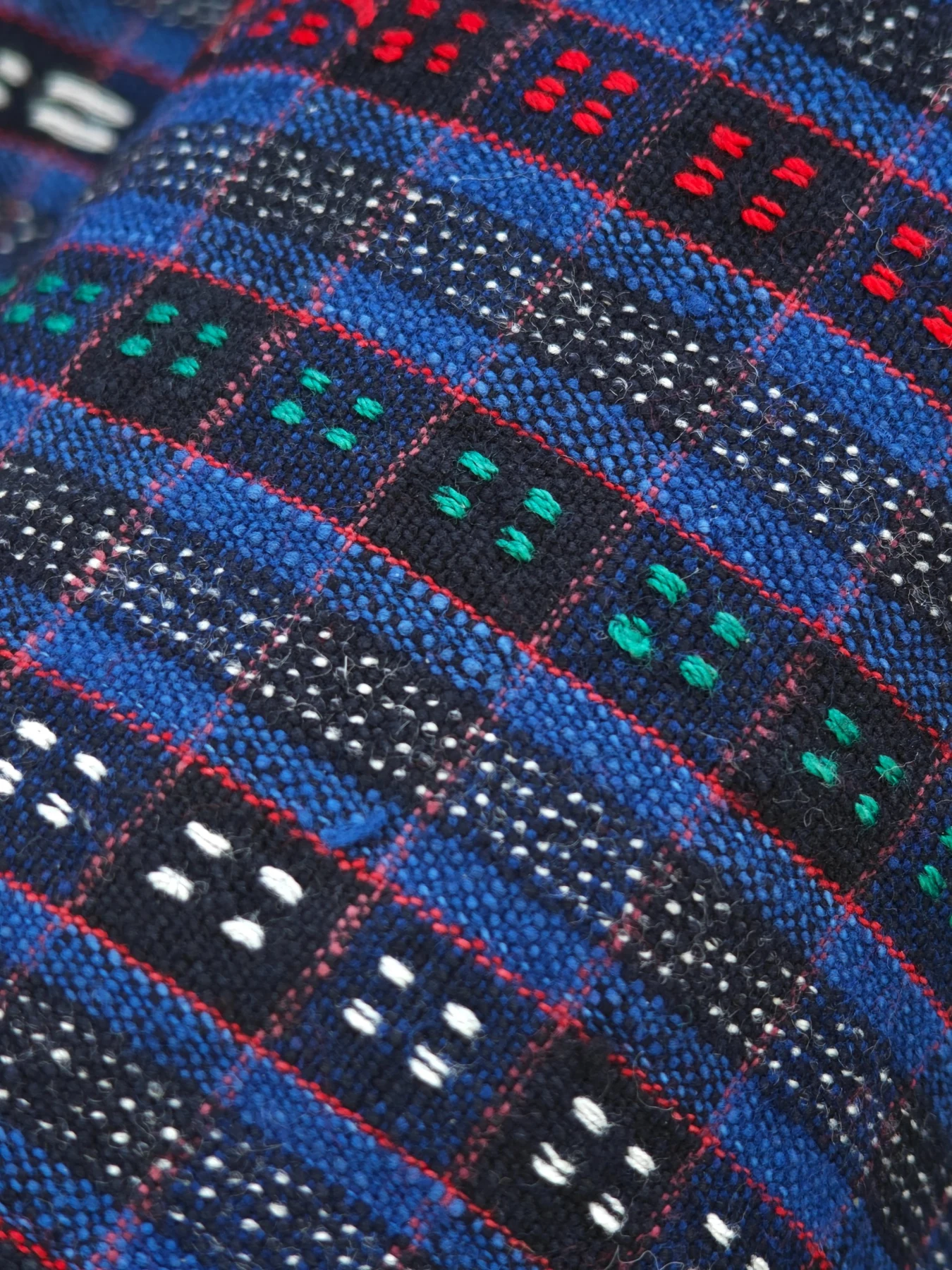 Photo unavailable · the catalogue record remains accessible below.
Loom tiaohua is read as a making principle and a living naming practice. Small motifs may be created by individual weavers, repeated locally and named later by users, collectors or researchers.
How do small woven forms become named folk patterns?
Start the first chapter →
Photo unavailable · the catalogue record remains accessible below.
Woven pick-up is kept distinct from embroidery, surface printing and treadle-controlled figured weaving.
Photo unavailable · the catalogue record remains accessible below.
A repeated form can acquire a name through visual resemblance and later community or research classification; not every name is a maker-authored label.
Photo unavailable · the catalogue record remains accessible below.
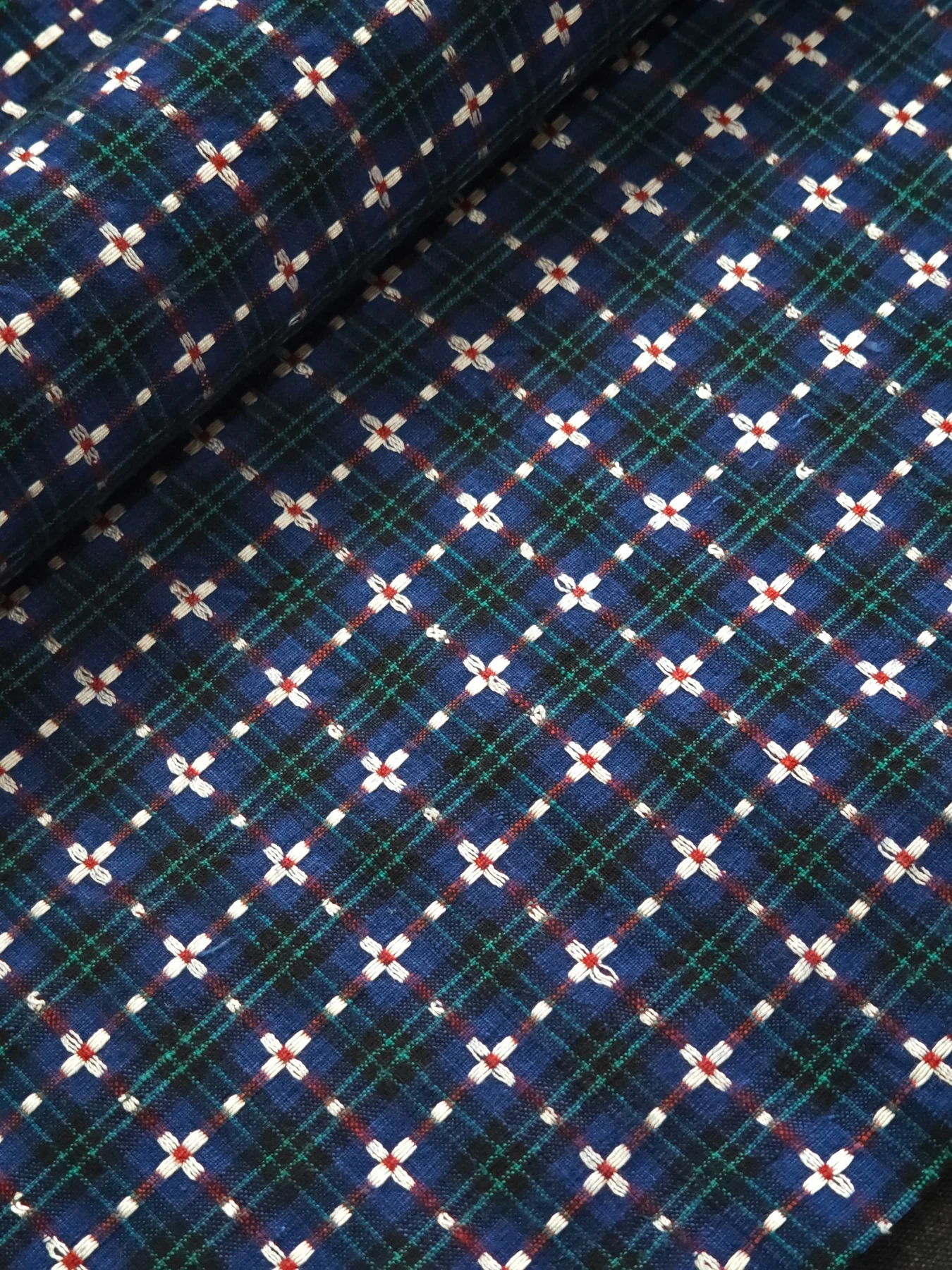
Shepherd’s Purse, Plum Blossom and Begonia show how named flower forms can sit at different evidence levels.
Photo unavailable · the catalogue record remains accessible below.
Shepherd’s Purse, Plum Blossom and Begonia show how named flower forms can sit at different evidence levels.
Local / folk name · attributedOpen the pattern context ↗Shepherd’s Purse, Plum Blossom and Begonia show how named flower forms can sit at different evidence levels.
Documented published nameOpen the research context ↗Shepherd’s Purse, Plum Blossom and Begonia show how named flower forms can sit at different evidence levels.
Documented published nameOpen the research context ↗
Photo unavailable · the catalogue record remains accessible below.
The research lexicon can preserve a documented or locally attested name even when no current Atlas object is securely matched.
The research lexicon can preserve a documented or locally attested name even when no current Atlas object is securely matched.
Local / folk name · attributedOpen the research context ↗
Photo unavailable · the catalogue record remains accessible below.
Little Plum Blossom and the long picked-dot grid remain related studies without being forced into one universal tiaohua mechanism.
TA-NT-0014 keeps its current object title, but “Four Seasons” is treated as an Atlas-curatorial name rather than a historical pattern name.
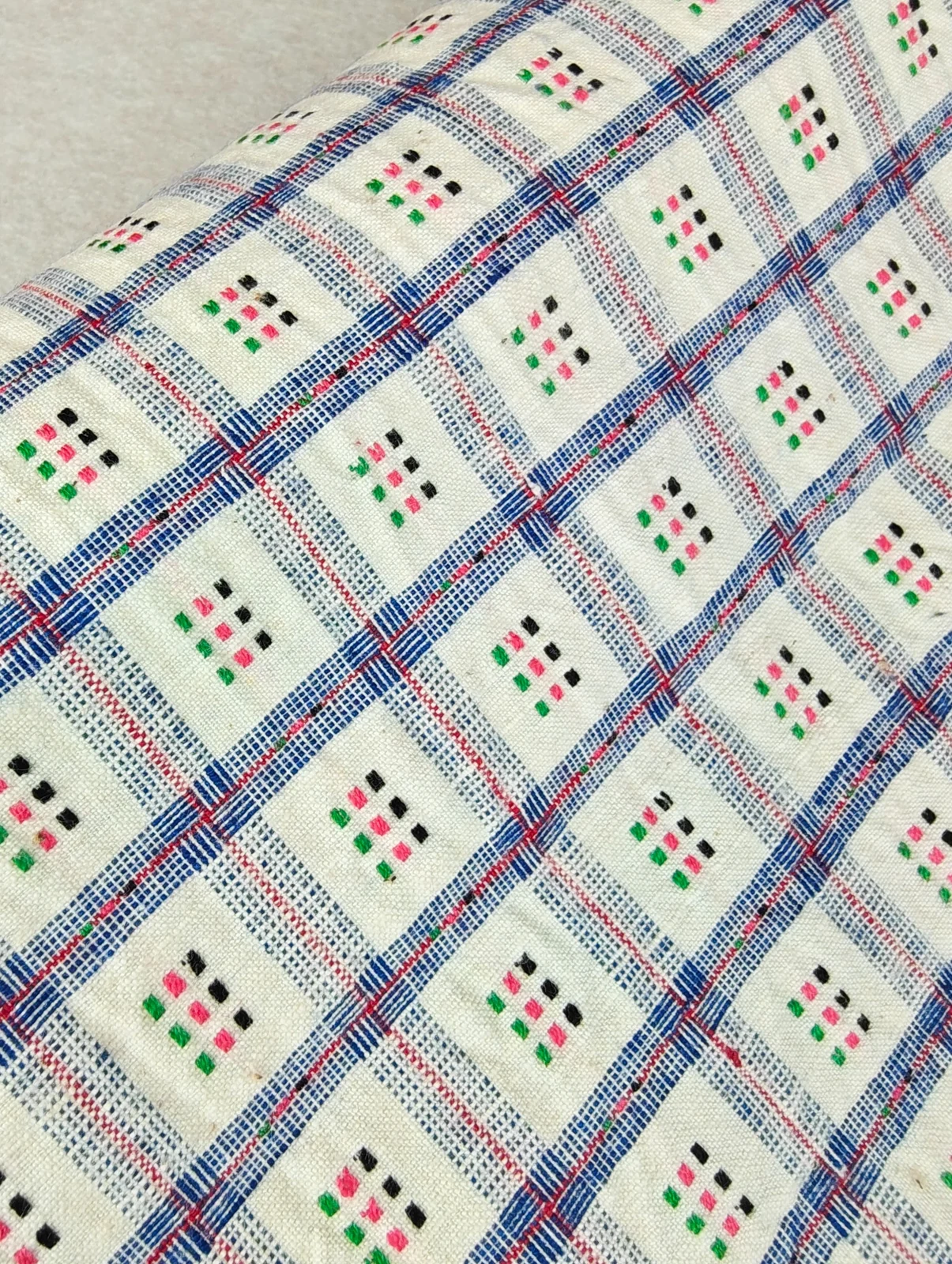 Photo unavailable · the catalogue record remains accessible below.
Little Plum Blossom and the long picked-dot grid remain related studies without being forced into one universal tiaohua mechanism.
Collector / descriptive nameOpen the pattern context ↗
Photo unavailable · the catalogue record remains accessible below.
Visual resemblance, local usage, published terminology and an Atlas working name are not interchangeable.
Turn the page for the next chapter.
Photo unavailable · the catalogue record remains accessible below.
The three current picked / picked-dot records can be compared directly.
TA-SH-0001Hai Shang Ji Hua — Shanghai Shepherd’s Purse Picked-Weave TextileShanghai · Approx. 200 × 41 cmTA-NT-0014Four Seasons Dot Grid — Nantong Picked-Dot HomespunNantong · Approx. 320 × 39 cm total available lengthTA-CN-0016Little Plum Blossom — Colour-Dot Chinese HomespunChina · Approx. 360 × 36 cm total available length; sold by 50 cmLoom tiaohua is read as a making principle and a living naming practice. Small motifs may be created by individual weavers, repeated locally and named later by users, collectors or researchers.
The current Atlas object anchor is 荠菜花. Published-source names may also enter the research lexicon before a current object is confidently matched.
This v3 book is an editorial research route. Object-level technique, dating and provenance remain on each textile record; pattern-name provenance is stored separately in the Pattern Catalog.