Listed on Etsy
Chongming Brick-Pattern Homespun
c. 1950s–1960s · Handspun cotton (listing attribution)
Crimson Rampart: pale-blue lines cross a deep burgundy ground in a staggered brick-like repeat, attributed to Chongming household weaving.
A developing group for cloth associated with Chongming and the wider Shanghai region.
c. 1950s–1960s · Handspun cotton (listing attribution)
Crimson Rampart: pale-blue lines cross a deep burgundy ground in a staggered brick-like repeat, attributed to Chongming household weaving.
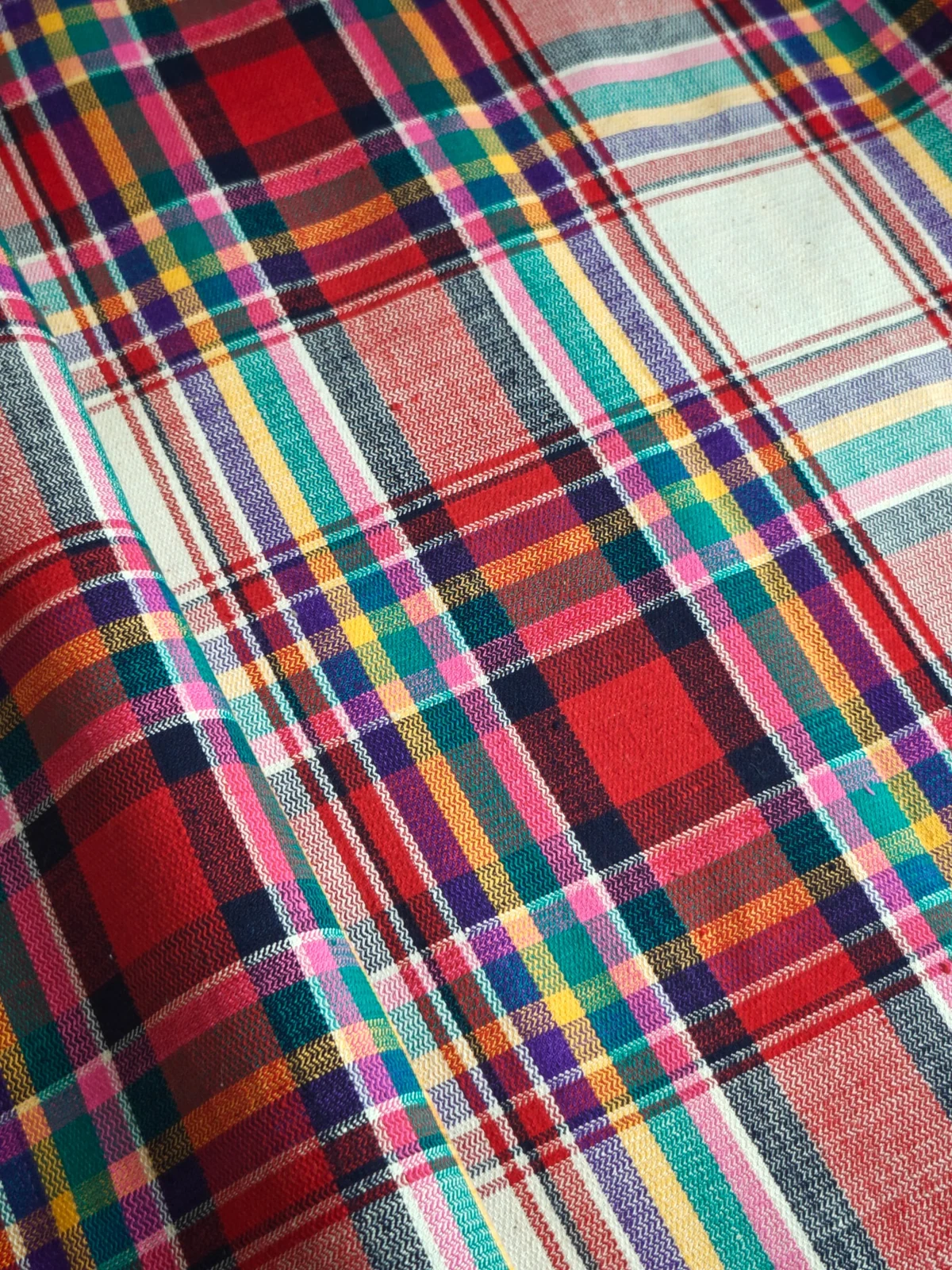
Early PRC to c. 1960s–1970s · Handspun cotton
A vivid Chongming homespun in which a multicolour plaid is enriched by a fine raised ripple texture running through the colour blocks.
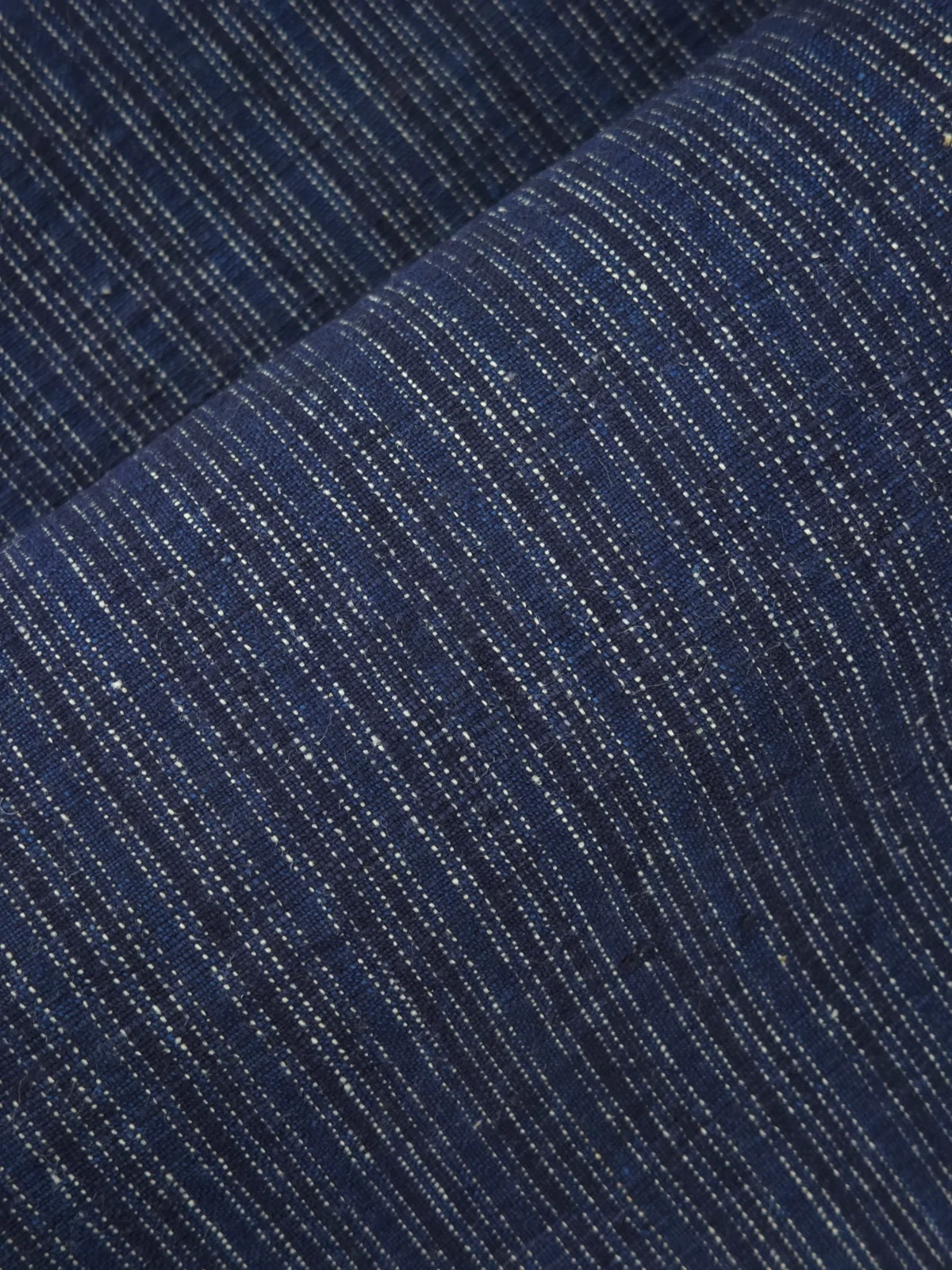
c. 1950s–1970s · Handspun-style cotton
A quiet Chongming handwoven cotton with a deep indigo ground and fine pale dotted stripes, named Starlit Tide for the way its woven points seem to move across dark water.
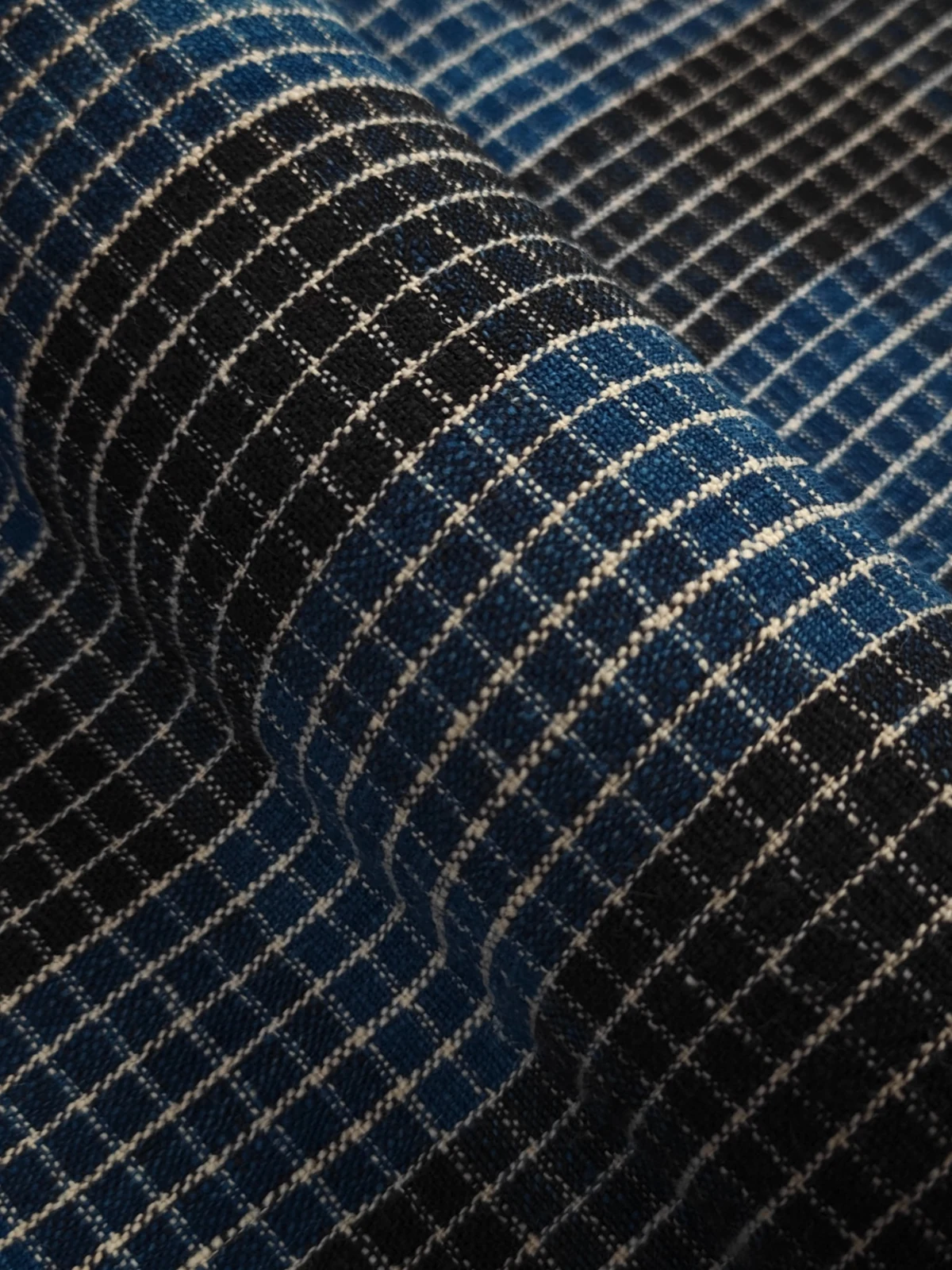
c. 1960s · Handspun cotton
A soft, light-to-medium-weight Chongming check in indigo, black and ivory, woven in plain weave with yarn-dyed cotton rather than printed on the surface.
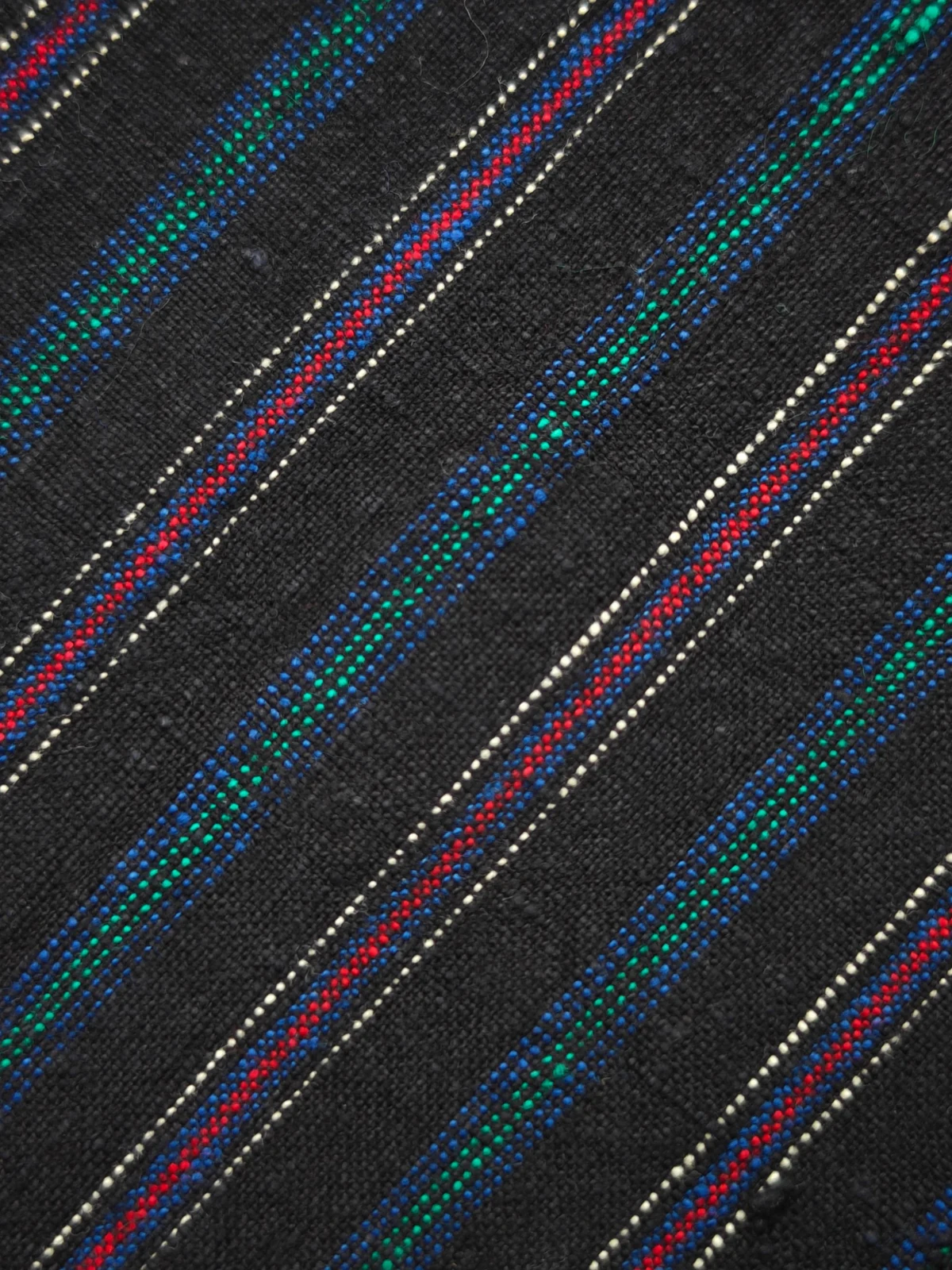
c. 1940s–1960s · Handspun cotton
A long Chongming handwoven cotton that reads almost black from a distance, then reveals quiet blue, green, red and ivory stripes like small lights in the night.
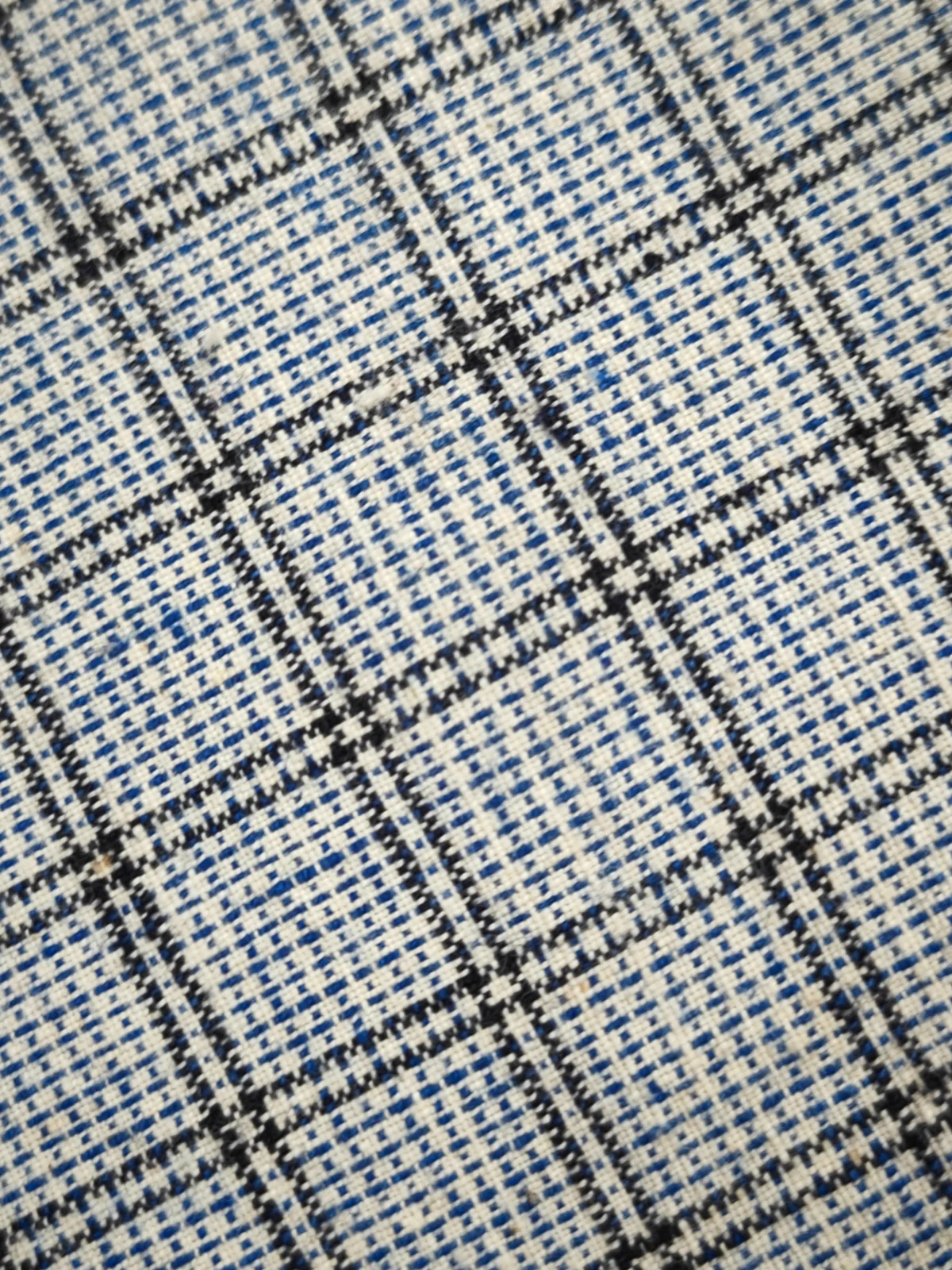
c. 1960s–1970s · Handspun cotton
A narrow, firm Chongming-style handwoven cotton with a layered blue, black and ivory grid: fine small checks sit underneath larger crossing lines.
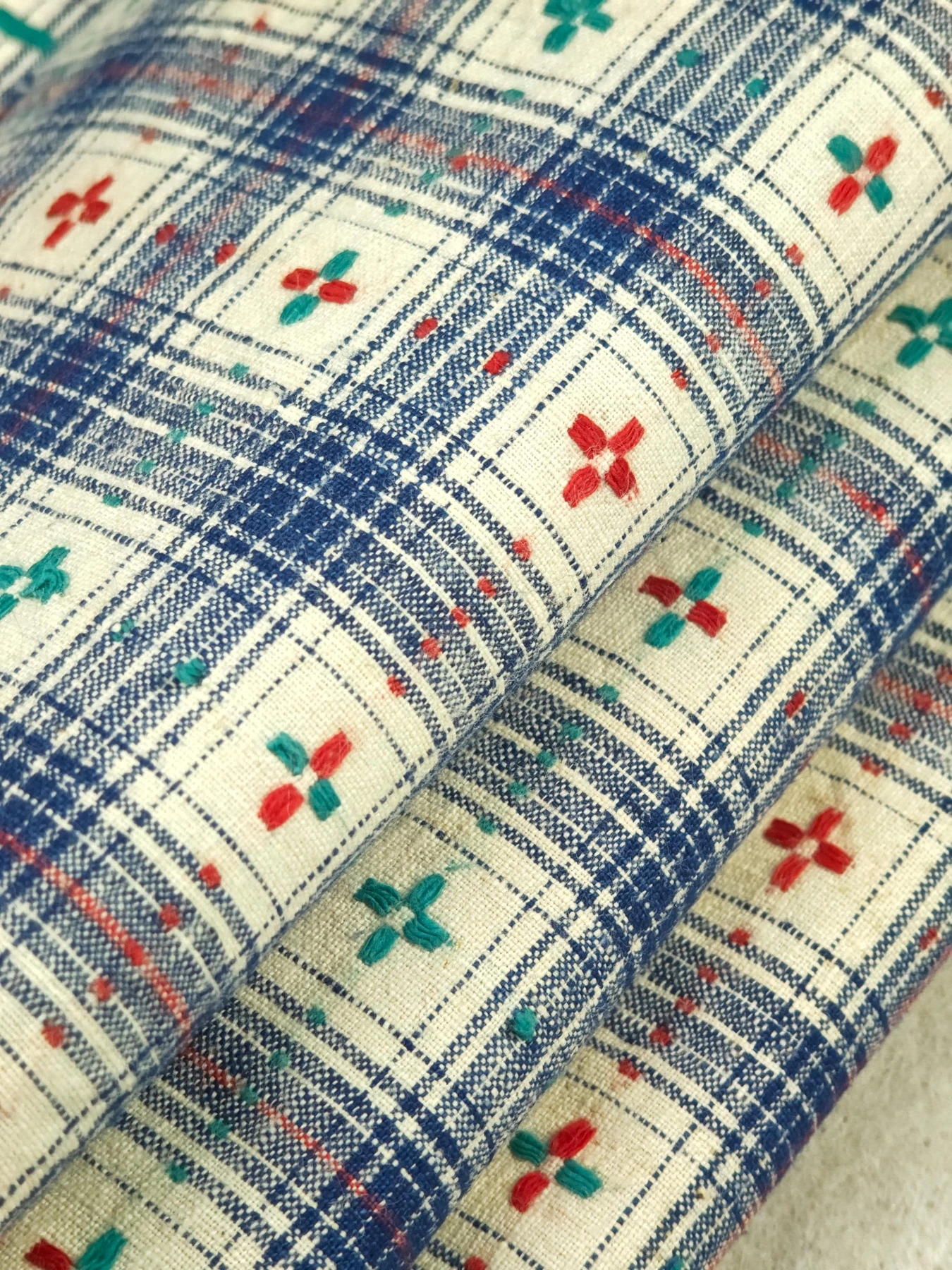
1980s · Cotton
Tiny red and green four-petal flowers are woven into cream-and-indigo plaid rather than embroidered onto its surface.
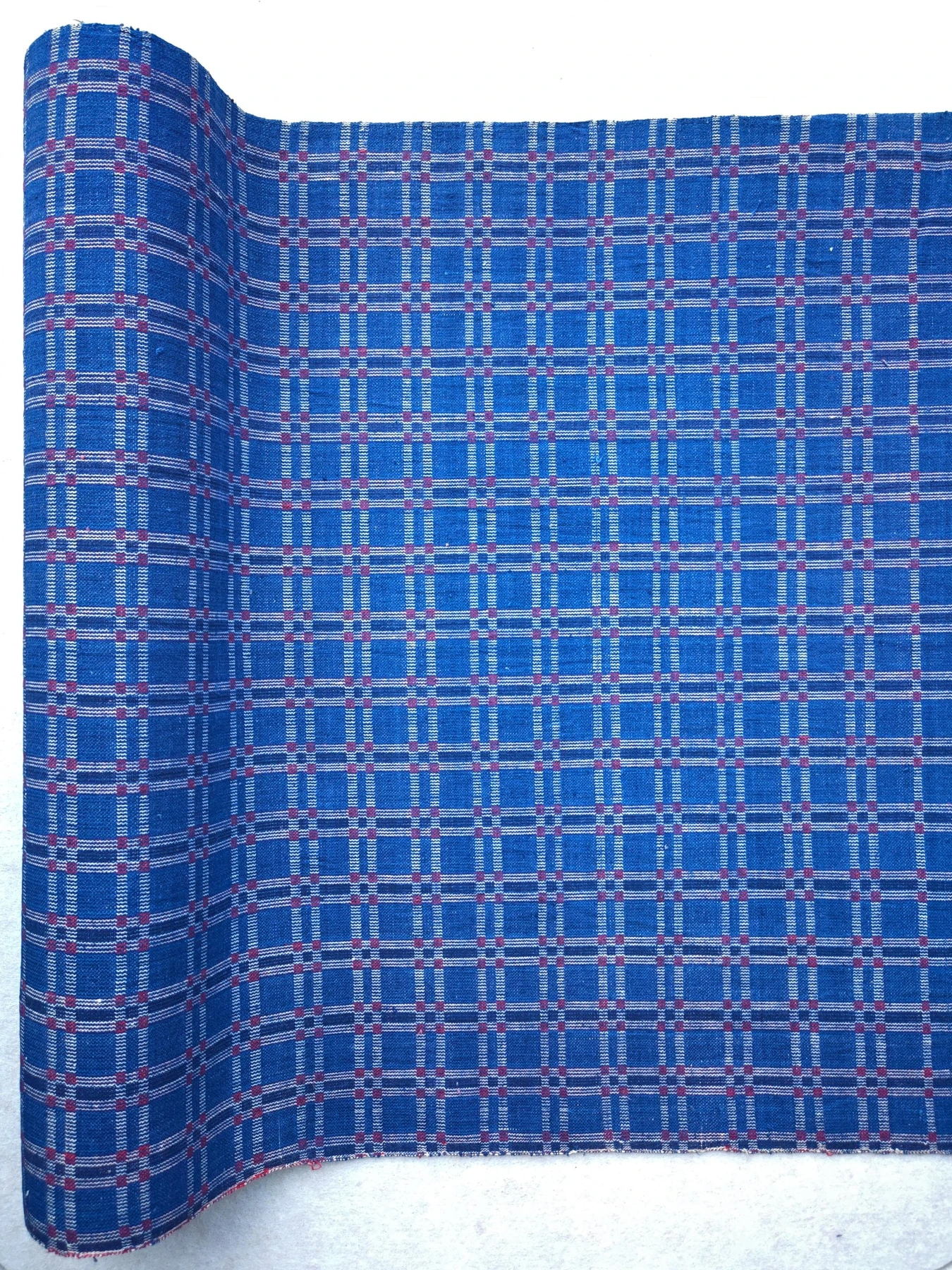
c. mid-20th century · Cotton
Dense indigo cotton carries ivory lattice lines and wine-red accents, with a lighter appearance on the reverse.
c. 1960s–1970s · Cotton
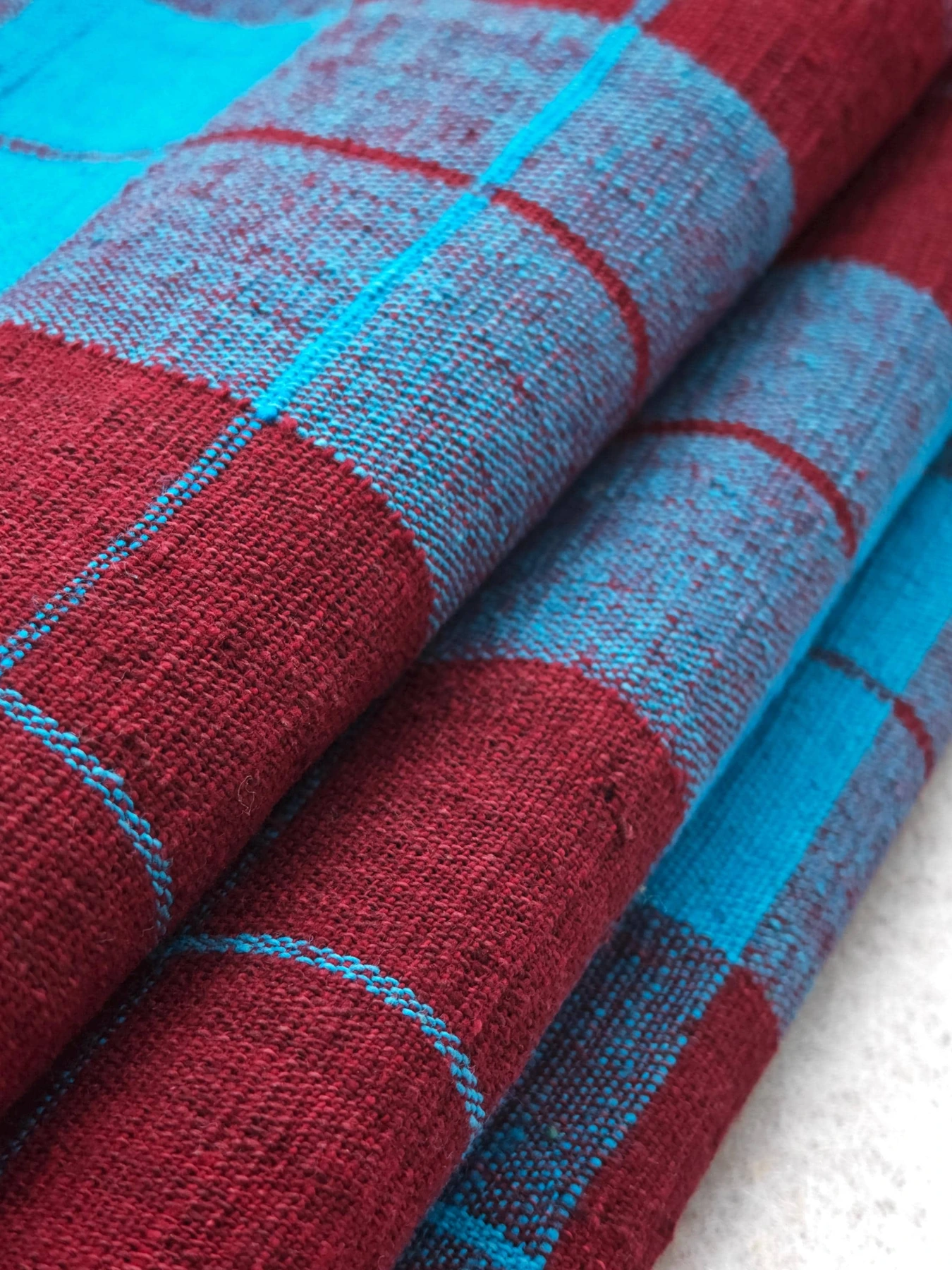
Crimson-red and lake-blue checks show the uneven yarn, small slubs and pebbled texture of the described old cotton.
c. 1970s · Cotton
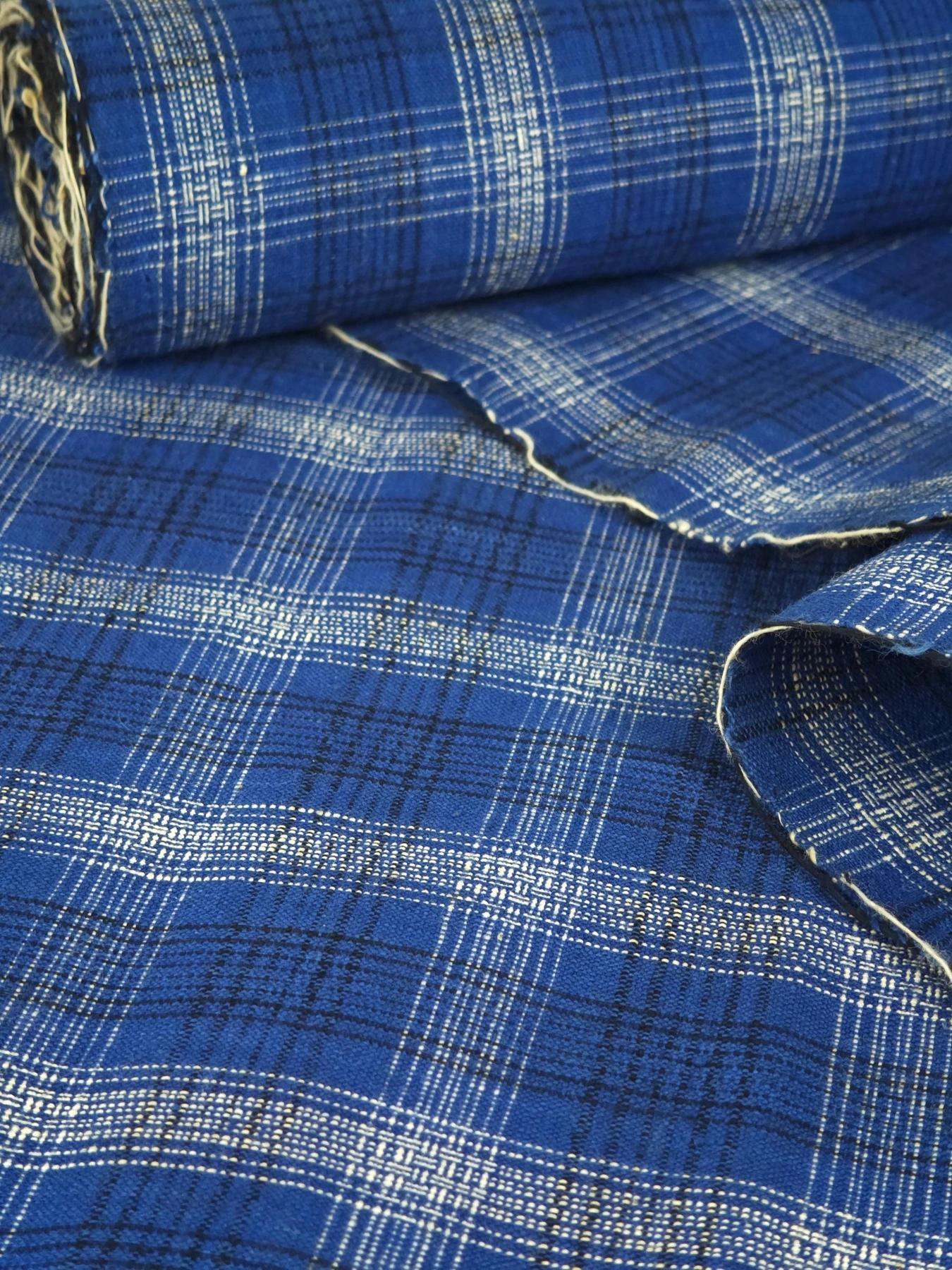
Large blue squares are crossed by black and ivory lines, with fine dark marks and dotted details inside the grid.
c. 1940s–1960s · Cotton
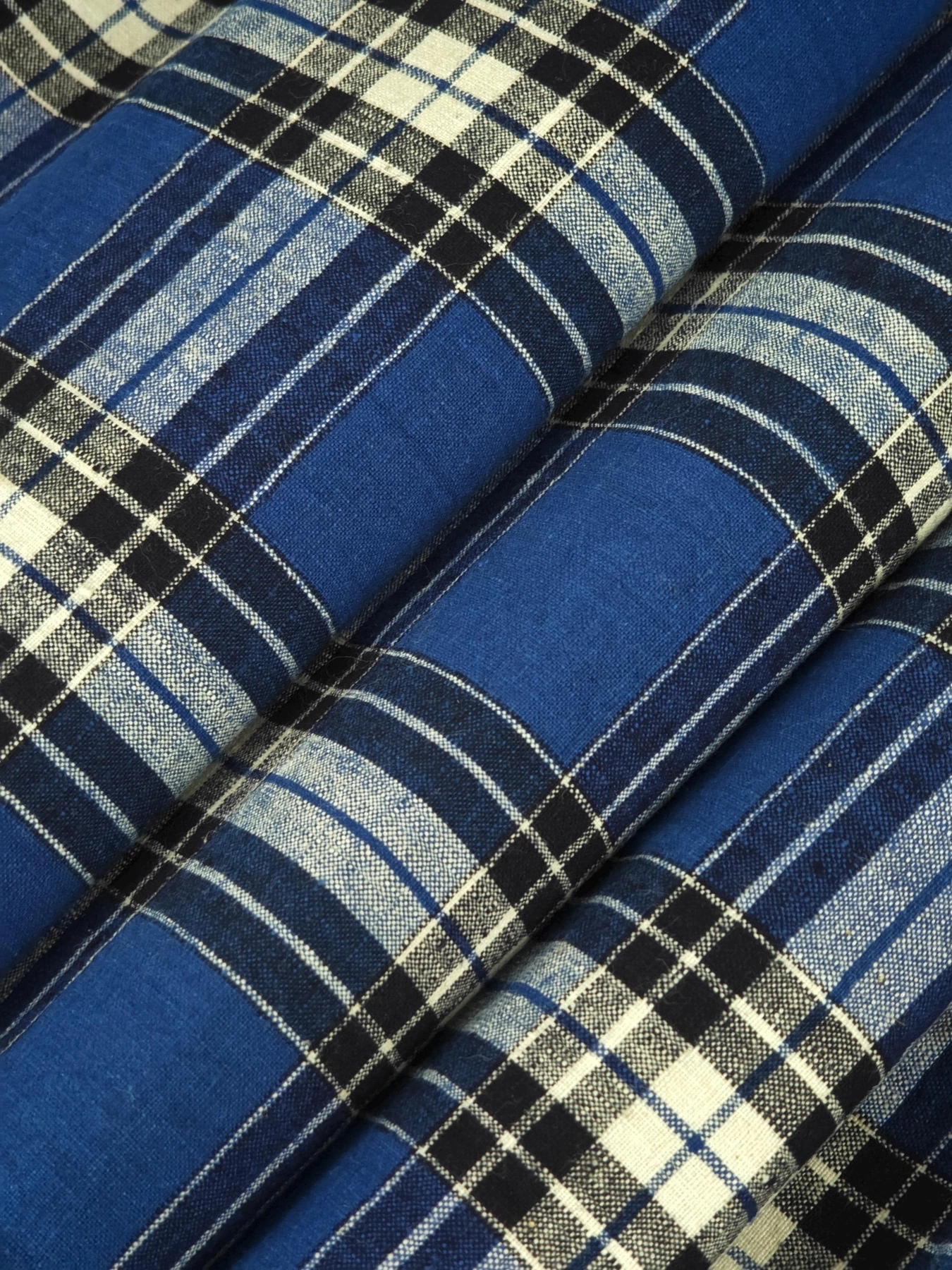
Broad indigo squares and black-and-ivory crossing lines form a narrow cotton textile with irregular woven texture.
c. 1940s–1960s · Cotton
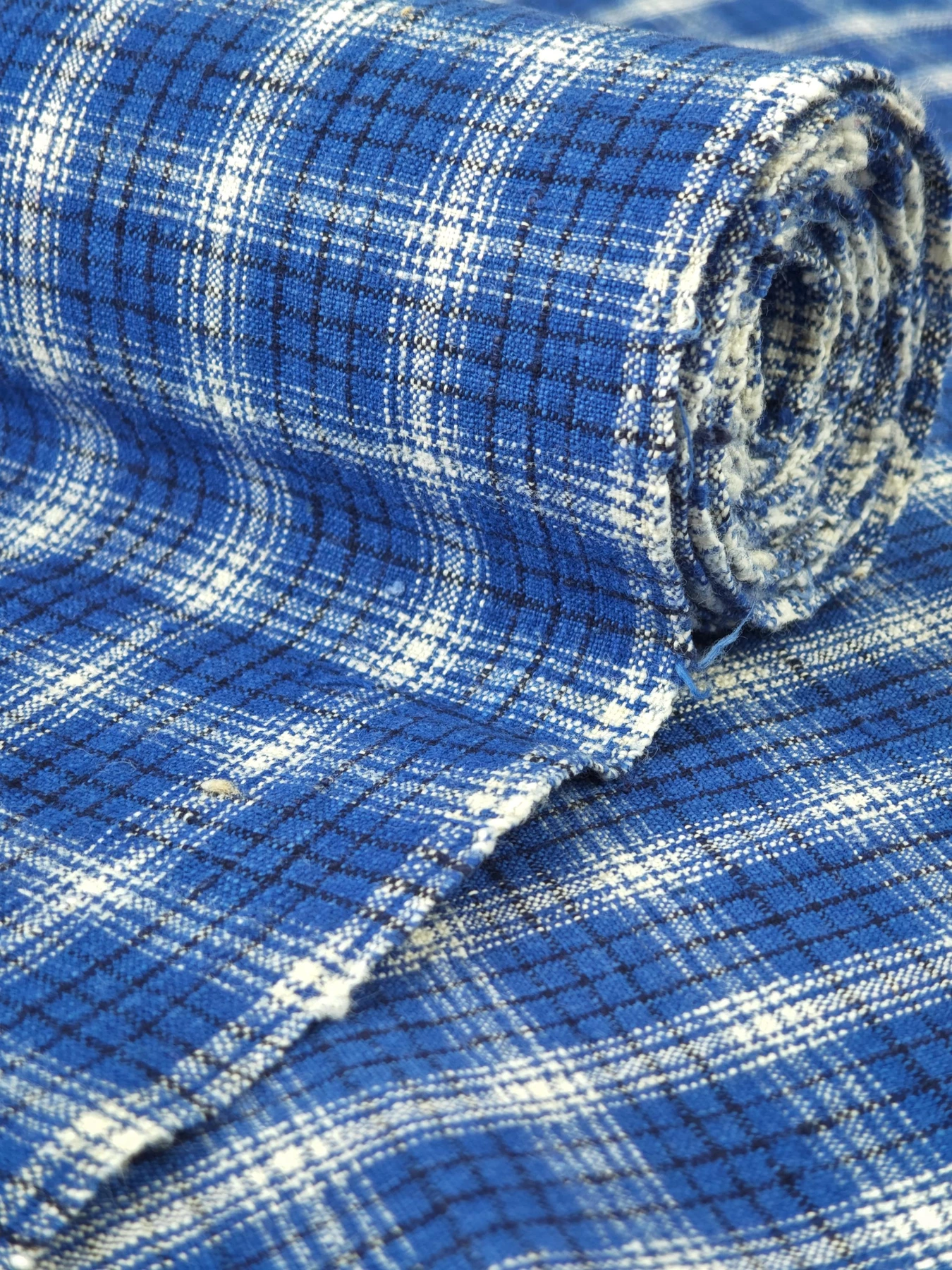
Blue, white and dark lines change width through the plaid, creating a softly graduated effect across the woven cloth.
These groups bring together descriptions from the textile records. Regional attributions and technical identifications may be provisional; open an individual record for its evidence and attribution notes.